Donghaeng Festival 2026: Your Ultimate Guide to Korea’s Nationwide Celebration
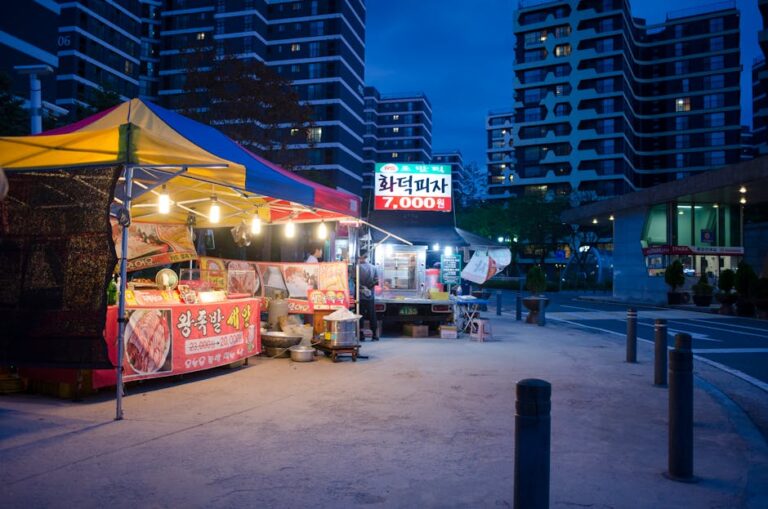
The Donghaeng Festival 2026, a month-long celebration across South Korea, promises an immersive experience from April 11 to May 10, 2026. The grand opening ceremony will take place at the Jeonju Indoor Gymnasium, while the broader festival activities will span traditional markets, local commercial areas, and online platforms nationwide.
This festival is an excellent opportunity to dive deep into local culture, enjoy vibrant street performances, and discover unique Korean products directly from producers. It’s an accessible event for all, with many activities being free of charge, making it perfect for budget-conscious travelers and families.
This guide helps you navigate the diverse offerings, ensuring you make the most of your visit to this expansive cultural event. We’ll explore everything from planning your visit to finding the perfect stay. This festival is highly recommended for culture enthusiasts, foodies, and travelers looking to experience authentic Korean local life beyond the typical tourist spots.
Essential Details for Your Donghaeng Festival Visit
Before you pack your bags, here’s a quick overview of the vital information for the Donghaeng Festival 2026. Knowing these details upfront will help you plan your travel logistics smoothly and efficiently, ensuring you don’t miss any key events.
This year’s festival continues its tradition of widespread participation, with the main opening in Jeonju and various events extending to local markets across the country. Please note that while the opening ceremony has a fixed location, many associated events are decentralized, so checking local schedules closer to your travel date is always recommended for specific market activities.
Compared to previous years, the Donghaeng Festival 2026 maintains its focus on supporting local economies, with an even greater emphasis on online integration for those unable to visit in person. While core dates remain consistent, the specific market participation and special deals may evolve, so stay updated through official channels.
| Category | Details |
|---|---|
| Event Name | Donghaeng Festival |
| Duration | April 11, 2026 – May 10, 2026 |
| Main Venue | Jeonju Indoor Gymnasium |
| Extended Locations | Nationwide traditional markets, local commercial areas, online platforms |
| Address | 308, Gwonsamdeuk-ro, Deokjin-gu, Jeonju-si, Jeollabuk-do, South Korea (Zip Code: 54896) |
| Contact Number | +82-2-6678-9000 |
| Entry Fee | Generally Free (Specific programs or market purchases may incur costs) |
| Parking | Available at Jeonju Indoor Gymnasium; varies by local market (check local guides) |
| Official Source | Korea Tourism Organization |
Unveiling the Donghaeng Festival 2026: Must-See Highlights and Perfect Itineraries
To fully immerse yourself in the Donghaeng Festival, planning your itinerary around its diverse offerings is key. The festival’s structure, combining a central opening with widespread local market events, allows for a flexible yet rich experience.
My personal recommendation for a 2-day visit to Jeonju during the festival would involve focusing on the opening ceremony activities on day one, then exploring the vibrant traditional markets on day two. Here are some top highlights and suggested itineraries to maximize your festival enjoyment.
Day 1: Jeonju Opening Ceremony & Cultural Immersion (April 11)
* Morning (10:00 AM – 12:00 PM): Arrive at Jeonju Indoor Gymnasium. Witness the grand opening ceremony, often featuring traditional Korean performances and speeches from dignitaries. This is where the festival’s spirit truly kicks off.
* Afternoon (1:00 PM – 5:00 PM): Explore the adjacent areas around the gymnasium, which typically host booths showcasing local products from Jeonbuk Province. You can sample regional delicacies and discover unique handicrafts.
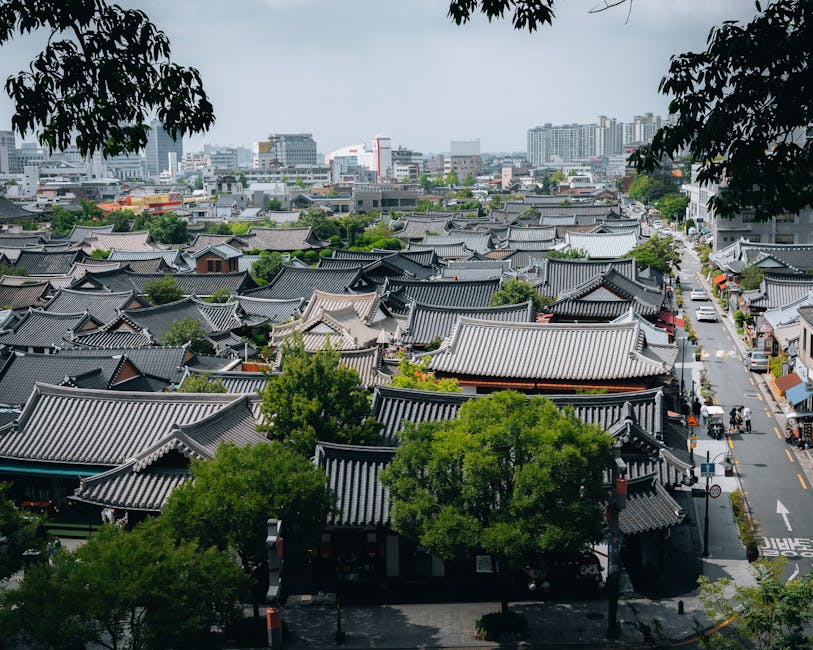
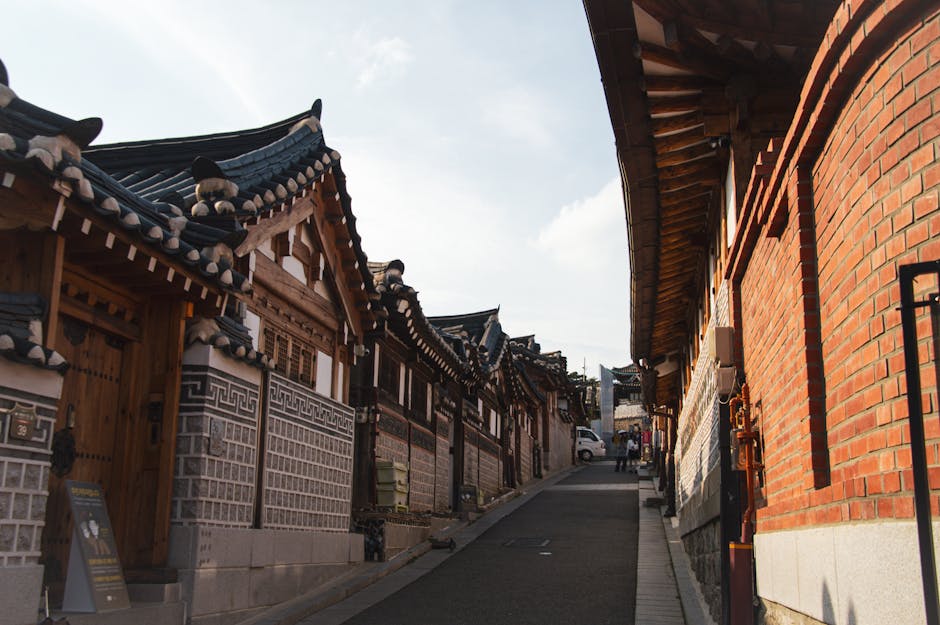
* Evening (6:00 PM onwards): Head to Jeonju Hanok Village for a traditional Korean dinner and an evening stroll. Many hanok guesthouses offer cultural experiences like tea ceremonies or hanbok rentals.
Day 2: Nationwide Market Exploration (April 12 onwards)
* Morning (9:00 AM – 1:00 PM): Choose a nearby traditional market participating in the Donghaeng Festival. Jeonju Nambu Market is a great option. Engage with local vendors, try street food, and look for special festival discounts.

* Afternoon (2:00 PM – 5:00 PM): Participate in any local programs offered at the market, such as cooking classes for traditional dishes or crafting workshops. These are often unique to each market.
* Evening (Optional): If you’re extending your trip, consider visiting another city’s traditional market for a different regional flavor.
Top 3 Programs to Look Out For:
1. Opening Ceremony Extravaganza: The initial spectacle at Jeonju Indoor Gymnasium, featuring cultural performances.
2. Local Market Special Sales: Discounts and promotions on regional products across participating traditional markets.
3. Cultural Experience Booths: Hands-on activities ranging from making traditional crafts to tasting local specialties.
For families, I suggest focusing on the market experience for its interactive elements and diverse food options. Couples might enjoy the Hanok Village evening stroll combined with market visits for unique date experiences. Solo travelers have the flexibility to dive deep into specific market programs or even travel to multiple participating cities.
Last year, I visited a similar nationwide festival in early May, and the energy was simply electric. The weather was pleasantly warm, around 70°F (21°C), perfect for strolling through the bustling markets.
I started my day at 10:00 AM at a participating traditional market, arriving before the peak crowds, which was a smart move. The aroma of freshly grilled skewers and sweet rice cakes filled the air, instantly drawing me into the festive atmosphere.
Vendors were enthusiastically showcasing their wares, from vibrant textiles to handcrafted pottery, and I found myself chatting with a friendly artisan about her intricate embroidery techniques.

One of the highlights was a traditional Korean percussion performance that spontaneously broke out in the market square. The rhythmic beats and energetic dancers captivated everyone, creating a truly communal experience.
I spent about 4 hours exploring, trying various street foods like `tteokbokki` and `hotteok`, and even bought some locally sourced honey. The cost for food and souvenirs came to roughly $30-40 USD, which felt incredibly reasonable for the quality and experience. The sheer variety of goods and the genuine warmth of the people made it an unforgettable day.
The festival is designed to showcase the best of Korea’s local communities, and participating in a local tour can significantly enhance your understanding and enjoyment. This is where a guided experience truly shines, offering insights you might miss on your own.
This particular tour, available through Viator, includes a local guide who can navigate the best spots and offer historical context, taking the guesswork out of your exploration. It typically runs for about 3-5 hours, depending on the chosen itinerary, and prices start from approximately $60 per person.
I’ve found that booking these tours in advance through platforms like Viator often secures a better price than attempting to arrange something last-minute on site. Plus, having a knowledgeable guide who speaks English ensures a much smoother and richer cultural exchange. This way, you get to focus purely on enjoying the festival’s unique offerings without worrying about language barriers or getting lost in the bustling market streets.
Getting to the Donghaeng Festival: Your Complete Transportation & Parking Guide
Navigating to the Donghaeng Festival 2026 in Jeonju, and its nationwide market events, requires a bit of planning. Jeonju is well-connected, but understanding your options can save you time and money.
For the main opening ceremony at the Jeonju Indoor Gymnasium, public transportation is often the most convenient choice, especially given potential traffic congestion. If you plan to explore various traditional markets, a combination of public transport and occasional taxis might be best. Here’s a comparison to help you decide.
For parking at the Jeonju Indoor Gymnasium, expect designated parking lots that can fill up quickly, especially on the opening day. Arriving early, perhaps 30-45 minutes before the official start, is highly advisable.
Many traditional markets also have limited parking facilities, so it’s wise to research specific market parking options beforehand.
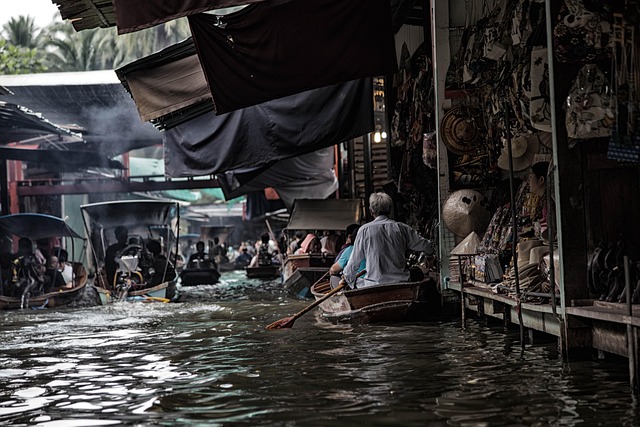
When attending events at traditional markets, consider using local buses or even walking if your accommodation is nearby to avoid parking hassles. Some markets might offer temporary shuttle services during the festival period, so keep an eye on official announcements from the festival organizers for the most current information.
| Transportation Type | Estimated Travel Time (from Seoul) | Estimated Cost (one-way) | Pros | Cons |
|---|---|---|---|---|
| KTX (High-Speed Train) | ~1 hour 40 minutes | $30 – $45 USD | Fast, comfortable, reliable | Can be expensive, requires transfer to local transport |
| Intercity Bus | ~2 hours 40 minutes | $15 – $25 USD | More affordable, direct to Jeonju Bus Terminal | Longer travel time, less comfortable than KTX |
| Rental Car | ~2 hours 30 minutes | $50+ USD (daily rental + fuel + tolls) | Flexibility for nationwide market hopping | Traffic, parking challenges, toll fees |
Insider Secrets: 5 Essential Tips for a Smooth Donghaeng Festival Experience
Having attended numerous festivals across Korea, I’ve gathered some invaluable insights that can make or break your Donghaeng Festival 2026 experience. Avoid common pitfalls by keeping these five practical tips in mind.
From what to wear to how to navigate crowds, these pointers are designed to ensure your visit is as enjoyable and stress-free as possible. My biggest piece of advice: always check the weather, even if the forecast seems clear. Korean spring weather can be unpredictable!
1. Dress for Comfort and Layer Up: The festival runs from April to May, a period when Jeonju’s weather can vary. Expect temperatures from 55°F (13°C) to 75°F (24°C). Comfortable walking shoes are a must, as you’ll be doing a lot of exploring. Layers are your best friend; a light jacket or cardigan will be perfect for cooler mornings and evenings.
2. Bring Cash (Korean Won): While many larger vendors and stores accept cards, traditional markets often operate predominantly with cash. You’ll find that small street food stalls and independent artisans prefer cash, and sometimes even offer small discounts for it. Having 20,000-50,000 KRW (approx. $15-40 USD) on hand will be very helpful.
3. Plan for Peak Hours: The festival, especially market areas, can get very crowded, particularly on weekends and during lunchtime. Aim to visit popular spots early in the morning, around 9:30 AM – 11:00 AM, or later in the afternoon, after 3:00 PM, to avoid the biggest throngs. This allows for a more relaxed experience.
4. Stay Hydrated and Bring Snacks: Exploring can be tiring! While there’s plenty of food available, carrying a water bottle is always a good idea. Small, non-perishable snacks can also be a lifesaver if you find yourself far from a food stall or stuck in a long line.
5. Capture Memories Responsibly: The Donghaeng Festival offers countless photo opportunities, from vibrant market scenes to cultural performances. Be mindful of others when taking pictures, especially in crowded areas. Always ask permission before photographing people, and avoid blocking pathways.
Remember, a little preparation goes a long way in ensuring a memorable and positive festival experience. What are your go-to festival survival tips?
Savoring Jeonju: Top 3 Restaurants Near the Donghaeng Festival Main Venue
After immersing yourself in the vibrant atmosphere of the Donghaeng Festival 2026, your taste buds will surely be craving some authentic Jeonju flavors. Fortunately, the area around the Jeonju Indoor Gymnasium and the Hanok Village boasts an incredible culinary scene.
I’ve personally sampled many of Jeonju’s famous dishes, and these three restaurants consistently deliver exceptional quality and a true taste of local cuisine. Each is within a reasonable distance, perfect for a post-festival meal. Expect to spend around $10-25 USD per person at these establishments.
1. Gogung Bibimbap (고궁수라간 비빔밥): Located just a 15-minute walk from the Hanok Village, Gogung is renowned for its traditional Jeonju bibimbap. The restaurant offers a variety of bibimbap options, including the classic Jeonju style with fresh ingredients and a rich broth base. Expect waiting times of 15-30 minutes during peak lunch and dinner hours. Prices range from 12,000 to 20,000 KRW (approx. $9-15 USD). Open daily from 11:00 AM to 9:00 PM.
2. Veteran Kalguksu (베테랑칼국수): A local favorite, Veteran Kalguksu is famous for its hearty, hand-cut noodle soup. It’s a fantastic spot for a casual, delicious meal, especially if the weather is a bit chilly. This eatery is a 10-minute taxi ride from the Jeonju Indoor Gymnasium, near the Jeonju Hanok Village. The average price for a bowl is around 7,000 KRW (approx. $5 USD), making it incredibly budget-friendly. Be prepared for a queue, especially between 12:00 PM and 2:00 PM. Open 9:00 AM to 9:30 PM daily.
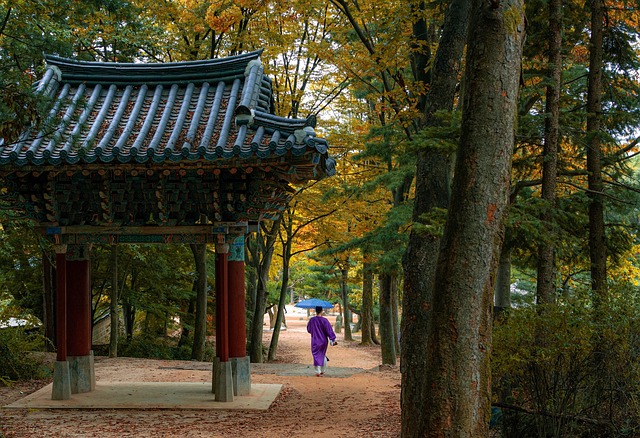
3. Samnye Ryeoksa (삼례역사): For those seeking a slightly more upscale traditional experience, Samnye Ryeoksa offers exquisite Korean course meals. While a bit further, about a 20-minute drive from the main festival area, it’s worth the trip for its refined flavors and elegant ambiance. Reservations are highly recommended, particularly for dinner. Expect to pay 30,000 to 50,000 KRW (approx. $22-38 USD) per person for a full course. Operating hours typically are 12:00 PM – 3:00 PM and 5:00 PM – 9:00 PM, closed on Mondays.
Jeonju’s culinary scene is a feast in itself, and these spots offer a perfect complement to your festival adventures. Don’t miss out on these authentic flavors!
Where to Stay for the Donghaeng Festival: Your Jeonju Accommodation Guide
Securing the right accommodation is crucial for a comfortable and convenient visit to the Donghaeng Festival 2026. Jeonju offers a range of options, from traditional hanok guesthouses to modern hotels.
My recommendation is to book a stay near the Jeonju Hanok Village or in the vicinity of the Jeonju Indoor Gymnasium for easy access to the main festival events. During peak festival season, especially with the nationwide scope of Donghaeng Festival, prices can fluctuate significantly, and availability diminishes quickly. I always advise booking at least 3-4 months in advance to secure the best rates and preferred locations.
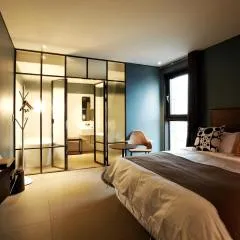
When I planned my trip for a similar spring festival last year, I found that booking early with free cancellation was a lifesaver. I managed to reserve a room at the Urban Boutique Hotel through Booking.com, securing it for around $70 USD per night back in January for an April stay. This hotel offers a great balance of comfort and location, being just a 10-minute drive from the Jeonju Indoor Gymnasium and offering clean, modern rooms. Its proximity to public transport made exploring other parts of Jeonju incredibly easy. I particularly appreciated the option for free cancellation, which gave me peace of mind as my travel plans solidified closer to the date.
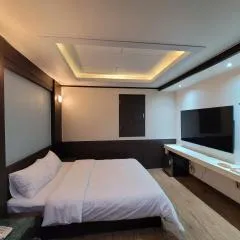
Another excellent option I considered was the Areum Hotel, also available on Booking.com. This hotel is another solid choice for its value and location, often coming in at a slightly lower price point, sometimes as low as $60 USD per night if you catch an early bird deal. It has received generally positive reviews for its friendly staff and clean facilities, making it a reliable base for your festival adventures. Comparing prices across different platforms can also reveal better deals or additional perks like complimentary breakfast or late check-out options.
Frequently Asked Questions About the Donghaeng Festival 2026
To help you plan your visit even more effectively, here are answers to some of the most common questions travelers have about the Donghaeng Festival. Understanding these details can smooth out your travel arrangements and ensure a more enjoyable experience.
My goal is to provide clear, practical information to address any lingering doubts you might have before your trip.
* Q. When is the best time to visit the Donghaeng Festival?
* A. The festival runs from April 11 to May 10, 2026. I recommend visiting during the first two weeks of the festival, especially around the opening ceremony, to catch the most vibrant atmosphere and a wider range of activities. Weekdays are generally less crowded than weekends.
* Q. Is the Donghaeng Festival suitable for families with young children?
* A. Absolutely! The festival’s focus on traditional markets and cultural experiences makes it very family-friendly. Many markets have open spaces, and the food options cater to various tastes. Just be mindful of crowds and plan stroller-friendly routes.
* Q. What kind of payment methods are accepted at the festival?
* A. While major credit cards are accepted in larger stores and at the main venue, many traditional market vendors prefer cash (Korean Won). I strongly advise carrying at least 30,000 KRW (approx. $22 USD) in cash for street food and small purchases.
* Q. How far in advance should I book my accommodation for the festival?
* A. Given the festival’s popularity and month-long duration, it’s best to book your accommodation 3 to 4 months in advance. This secures better prices and ensures availability, especially for hotels in prime locations like Jeonju Hanok Village. Booking a place with free cancellation provides maximum flexibility.
My Verdict: Is the Donghaeng Festival Worth the Trip?
After experiencing the Donghaeng Festival (or similar nationwide events) multiple times, my overall impression remains consistently positive. It’s a truly unique opportunity to connect with the heart of Korean culture and local communities.
For its breadth of offerings and genuine cultural immersion, I give the Donghaeng Festival 2026 a solid 4.5 out of 5 stars. The sheer variety of local products, delicious street food, and engaging cultural programs make it a standout event on the Korean festival calendar.
Revisit Intention: Absolutely, I would visit again! Each time, I discover new markets, different regional specialties, and participate in unique local activities. The festival’s ability to evolve and highlight diverse local economies ensures that no two experiences are exactly alike. It’s a dynamic celebration that truly embodies the spirit of Korea.
* For Culture Enthusiasts: ‘A deep dive into Korea’s rich heritage and local traditions.’
* For Foodies: ‘An endless culinary journey through regional delicacies and street food.’
* For Families: ‘Educational and entertaining, with hands-on activities for all ages.’
* For Budget Travelers: ‘Many free events and affordable local goods make it a smart choice.’
The Donghaeng Festival 2026 isn’t just an event; it’s a vibrant tapestry woven from the threads of countless local stories and traditions. It offers an unparalleled glimpse into the soul of South Korea, encouraging visitors to explore beyond the usual tourist paths and discover the authentic charm of its diverse regions. Don’t miss this opportunity to be part of a truly national celebration.