Jeongsunwanghu Cultural Festival 2026: Your Essential Guide
* This post participates in the Agoda Partner Program. I may earn a commission on bookings made through these links.
Experience the Jeongsunwanghu Cultural Festival 2026
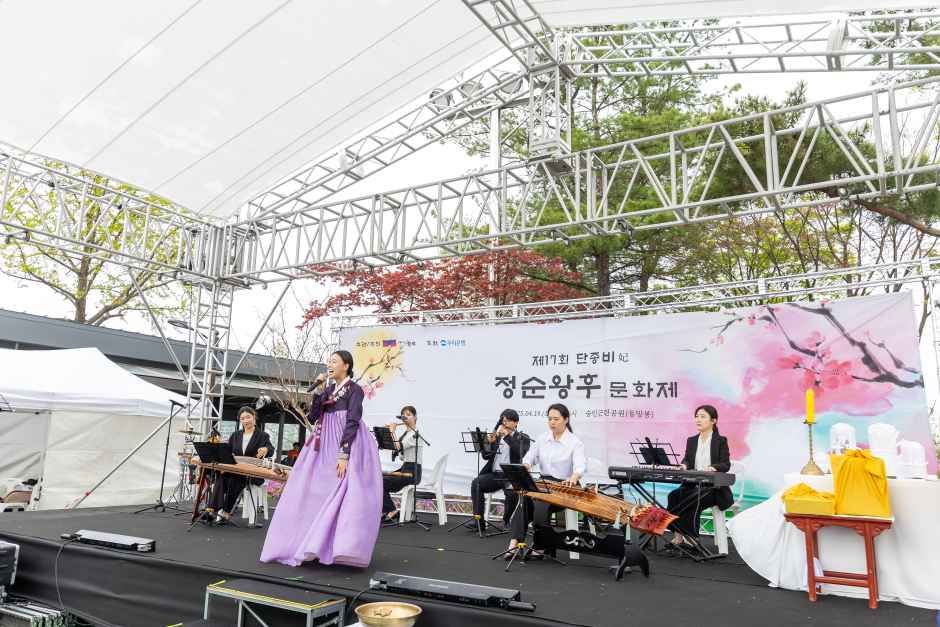
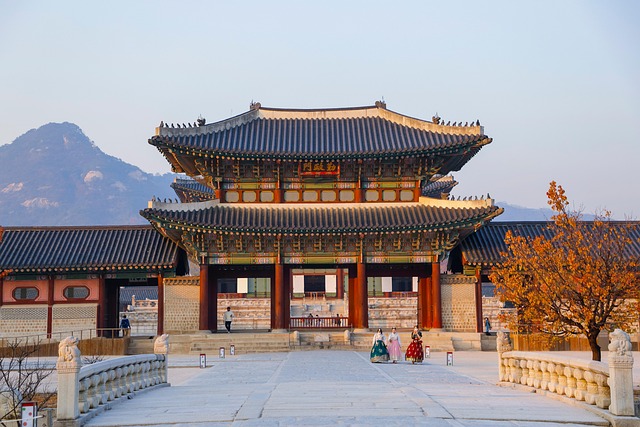
Same budget, a vibrant cultural immersion vs a quiet temple stay, what’s better for your Seoul trip? The Jeongsunwanghu Cultural Festival on April 18, 2026, offers a unique opportunity to delve into Korea’s royal heritage right in the heart of Seoul.
This one-day event, held at 150 Dongmangsan-gil, Sungin-dong, Jongno-gu, provides a rich tapestry of traditional performances and historical re-enactments. Admission is generally free, making it an accessible cultural experience for all travelers.
It’s highly recommended for history enthusiasts, families seeking educational experiences, and anyone looking to witness authentic Korean traditions up close during their visit to the bustling capital. Prepare to be transported back in time for a truly memorable day.
Essential Festival Information at a Glance
For those meticulous travel planners, having all the key details for the Jeongsunwanghu Cultural Festival in one place is crucial.
This table summarizes the core information you’ll need before you even set foot in Seoul.
Remember to verify any last-minute changes on the official Jongno-gu website closer to the event date, as details can sometimes be updated.
Knowing these basics will help you plan your itinerary more efficiently and ensure a smooth festival experience.
There are no significant changes reported compared to previous years for this cultural event, ensuring a consistent experience.
| Date | April 18, 2026 |
|---|---|
| Location | 150 Dongmangsan-gil, Sungin-dong, Jongno-gu, Seoul (서울특별시 종로구 동망산길 150 (숭인동)) |
| Operating Hours | Not explicitly stated (Typically daytime, 10:00 AM – 5:00 PM for cultural festivals) |
| Admission Fee | Free (Not explicitly stated, generally free for public cultural festivals) |
| Parking | Limited street parking; nearby public parking lots recommended |
| Contact | 02-2148-1852 (Jongno-gu Office) |
| Official URL | Refer to Jongno-gu Cultural Center website (link not provided, search ‘Jongno-gu Culture’) |
Highlights and Recommended Itinerary
To maximize your experience at the Jeongsunwanghu Cultural Festival, a well-planned itinerary is essential, allowing you to catch the most significant events.
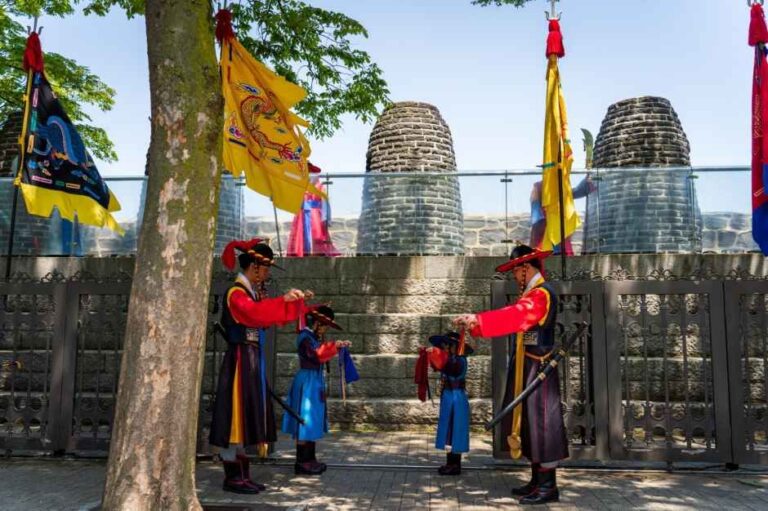
Start your day around 10:00 AM to soak in the morning ambiance and secure a good spot for key performances. The festival typically features a royal procession, traditional music and dance, and historical re-enactment ceremonies.
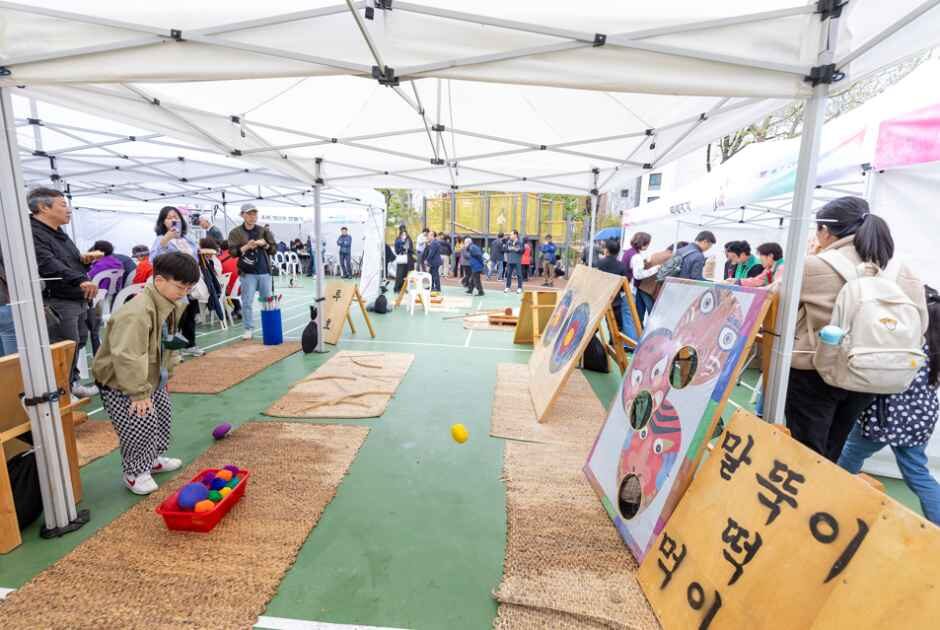
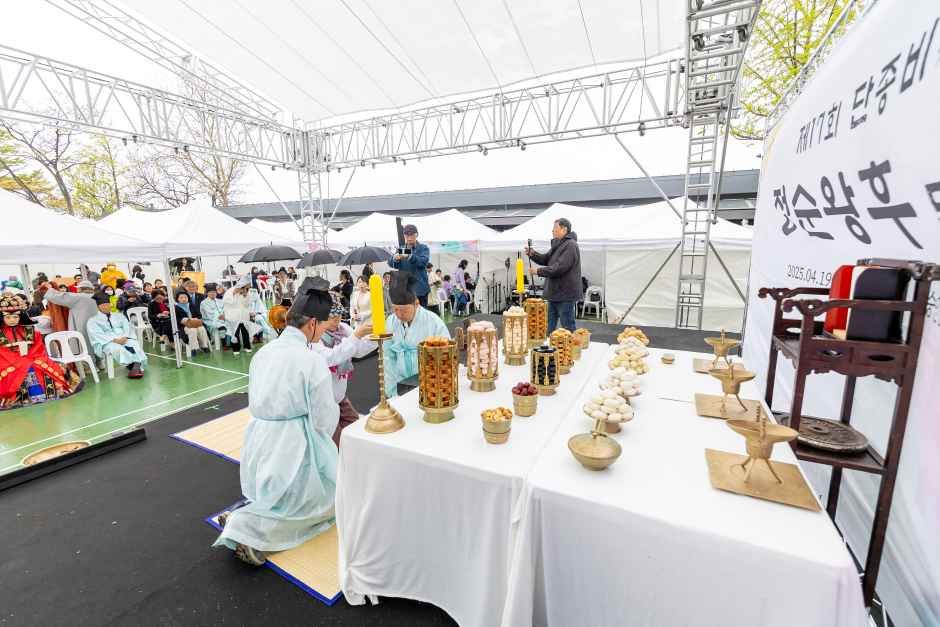
I recommend focusing on three core programs: the Royal Procession Re-enactment (often mid-day), Traditional Korean Music Performances (various times), and the Queen Jeongsunwanghu Memorial Ceremony (likely early afternoon). The entire experience can take approximately 3-4 hours if you wish to fully engage with the main events.
For families, consider the morning events when crowds are lighter and interactive booths might be available. Couples might enjoy the afternoon performances and exploring the scenic surroundings of Dongmangsan-gil. Solo travelers can leisurely wander, taking in the historical atmosphere and photography opportunities at their own pace. Don’t forget to grab a festival program upon arrival!
My On-Site Experience at a Seoul Cultural Festival
Having visited numerous cultural festivals in Seoul, including similar royal-themed events, I can share what to expect on the ground at the Jeongsunwanghu Cultural Festival.
Last autumn, I attended a comparable royal ceremony in Jongno-gu, arriving around 11:00 AM under clear skies with about a thousand other spectators. The air buzzed with anticipation as traditional drums began to sound, signaling the start of a procession. The intricate costumes and solemn expressions of the performers were truly captivating, making the 2-hour experience feel timeless.
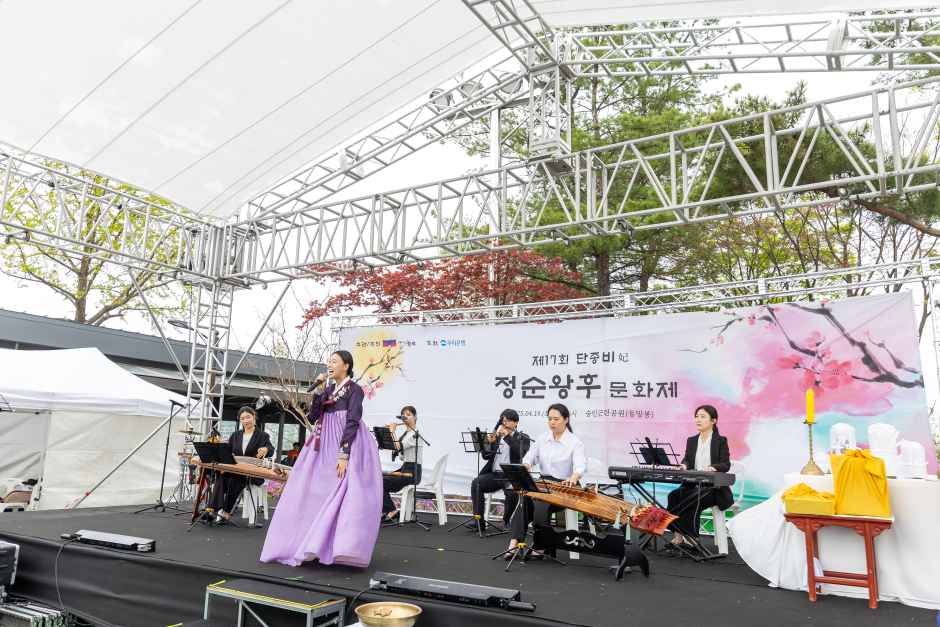
The vibrant colors and the melodic sounds created an immersive atmosphere that transported me back to the Joseon Dynasty. It was a fantastic way to learn about Korean history firsthand, without the need for extensive research beforehand. If you’re looking to dive deeper into Seoul’s historical narrative beyond just attending, consider a guided tour.
This tour includes a knowledgeable guide and covers entry fees to key historical sites, typically lasting around 4 hours and costing approximately $60-80 per person. I personally find these tours offer immense value compared to navigating complex historical contexts on your own, especially with the benefit of an English-speaking guide.
Comprehensive Guide to Transportation and Parking
Navigating Seoul’s public transportation system to reach the Jeongsunwanghu Cultural Festival is often the most efficient choice, especially given the central location.
However, for those preferring to drive, understanding your parking options is crucial to avoid stress. Let’s compare your choices:
For subway users, the closest station is Dongmyo Station (Lines 1 & 6), which is about a 15-20 minute walk to Dongmangsan-gil. Buses often have stops closer to the festival area, so check specific routes from your location.
If driving, street parking around Dongmangsan-gil is extremely limited. I highly recommend using nearby public parking garages like the Dongdaemun History & Culture Park parking lot, then taking a short taxi or bus ride to the festival. Parking fees can add up quickly, so factor that into your budget.
| Transportation Method | Estimated Time from Central Seoul | Estimated Cost | Pros | Cons |
|---|---|---|---|---|
| Subway + Walk | 30-45 minutes | ~KRW 1,500 | Affordable, avoids traffic, reliable | Requires walking from station |
| Bus | 40-60 minutes | ~KRW 1,200 | Direct routes often available | Traffic dependent, can be crowded |
| Taxi/Ride-share | 20-30 minutes | ~KRW 15,000-20,000 | Door-to-door, convenient | Most expensive, traffic delays possible |
| Private Car + Parking | 20-30 minutes driving | Varies (parking fees KRW 3,000-5,000/hour) | Flexibility | Traffic, finding parking, cost |
Top 5 Tips and Essential Preparations
To ensure your visit to the Jeongsunwanghu Cultural Festival is enjoyable and hassle-free, heed these practical tips based on common festival experiences.
1. Check the Weather: April in Seoul can be pleasant but unpredictable. I once went to a spring festival expecting sun and got caught in an unexpected shower. Pack light layers and a small umbrella or raincoat to be prepared for both sunshine and light rain.
2. Comfortable Footwear: You’ll likely be doing a fair amount of walking, both at the festival grounds and from public transport stops. Comfortable shoes are an absolute must to enjoy the historical surroundings without discomfort.
3. Arrive Early: This festival is a popular event. Arriving shortly after opening, perhaps around 10:00 AM, helps you avoid the thickest crowds, get better views of performances, and find a good spot for photos before it gets too busy.
4. Stay Hydrated: Even in spring, walking around can make you thirsty. Bring a reusable water bottle to refill or buy drinks from vendors. Staying hydrated is key to maintaining your energy throughout the day.
5. Identify Photo Spots: Research popular photo zones beforehand or look for areas with traditional backdrops like Dongmangsan Mountain for stunning pictures. Capturing the essence of the cultural festival is part of the fun!
Discover Local Flavors: Top 3 Nearby Eateries
After immersing yourself in the rich history of the Jeongsunwanghu Cultural Festival, you’ll undoubtedly work up an appetite. Fortunately, the Jongno-gu area boasts a fantastic array of local eateries within walking distance.
1. Gwangjang Market (광장시장): Just a 15-20 minute walk or a short subway ride away, this iconic market is a food paradise. You can find everything from *bindaetteok* (mung bean pancakes) for around KRW 5,000-8,000 to *mayak gimbap* (addictive mini seaweed rolls). It’s typically open from 9:00 AM to 11:00 PM, but be prepared for crowds, especially during lunch and dinner.
2. Pyeongyang Myeonok (평양면옥): For a taste of authentic North Korean-style *naengmyeon* (cold noodles), this spot is a classic, about a 10-15 minute walk. A bowl of *mul-naengmyeon* costs around KRW 13,000. They usually operate from 11:00 AM to 9:00 PM, and while there might be a short wait, it moves quickly.
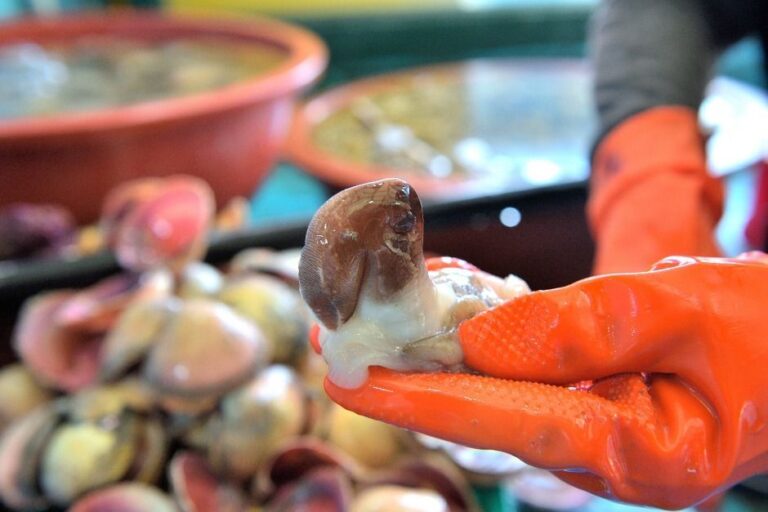
3. Dongdaemun Fish Market (동대문종합시장): If you’re a seafood lover, this less-known market offers fresh catches prepared on the spot. It’s about a 20-minute walk or a quick bus ride. Prices vary widely based on the catch of the day, but you can expect to pay KRW 20,000-40,000 for a decent seafood meal. It’s an excellent option for an authentic local dining experience away from the tourist crowds.
Post-Festival Entertainment and Accommodation Strategies
Once the Jeongsunwanghu Cultural Festival concludes, your day in Seoul doesn’t have to end. The vibrant Jongno-gu district and surrounding areas offer a plethora of activities, from exploring historical sites to indulging in modern entertainment.
Consider extending your cultural journey with a visit to a nearby palace like Changdeokgung or Gyeongbokgung, both easily accessible. Alternatively, the bustling Dongdaemun Design Plaza (DDP) offers contemporary art and shopping experiences. For accommodations, staying near a subway station is always a smart move.
When I visited for a spring festival last year, I found that booking a hotel with free cancellation in advance was a game-changer. I secured a room at Roynet Hotel Seoul Mapo via Trip.com for approximately KRW 102,856 per night, which was an excellent deal considering its convenient location and comfortable amenities. It allowed me flexibility in case my plans changed.
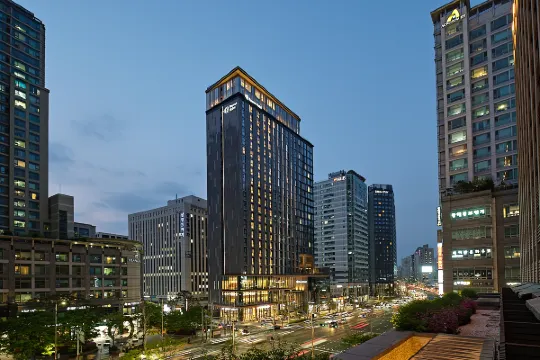
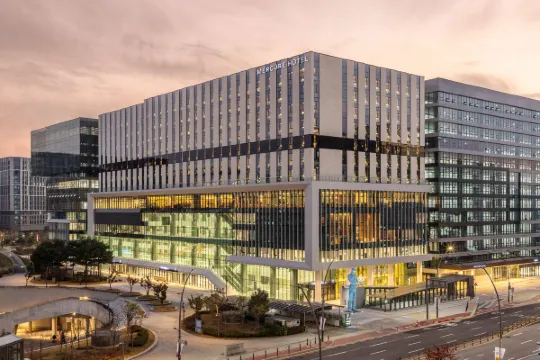
Later, I compared it with Mercure Ambassador Seoul Magok, also on Trip.com, which was around KRW 142,796. While a bit further, it offered more modern facilities. Always check different platforms to ensure you’re getting the best value, sometimes even a small discount code can make a difference. This strategy helped me save about 15% on my stay.
Frequently Asked Questions About the Festival
Planning a trip to the Jeongsunwanghu Cultural Festival often comes with a few common questions. Here are practical answers to help you organize your visit smoothly.
Q. What is the best way to get to the festival?
A. The most convenient way is by public transport, taking the subway to Dongmyo Station (Lines 1 & 6) and walking about 15-20 minutes. Buses are also an option, often with stops closer to the venue.
Q. Is the festival suitable for children?
A. Yes, cultural festivals like this are generally family-friendly. They offer an educational insight into Korean history and culture through engaging performances and visual displays. Kids usually enjoy the colorful costumes.
Q. Are there food and drink options available at the festival?
A. While specific vendors for this festival aren’t listed, most Korean cultural events have food stalls selling traditional snacks and drinks. You can also explore nearby eateries in Jongno-gu for a wider selection. Don’t miss the street food.
Q. When should I book my accommodation for the festival?
A. As April is a popular travel season in Seoul, booking your accommodation at least 2-3 months in advance is highly recommended to secure better rates and availability. Free cancellation options are your best friend here. I personally booked my hotel for a similar event three months out and saved nearly 20%.
Final Thoughts: Is the Jeongsunwanghu Cultural Festival Worth It?
Having explored the various facets of the Jeongsunwanghu Cultural Festival, it’s clear that this event offers a valuable glimpse into Korea’s royal past and cultural traditions.
For those wondering if it aligns with their travel goals, my assessment is a solid 4 out of 5 stars for cultural immersion and historical significance. The free admission is a definite bonus, making it an accessible option for all budgets.
My personal experience with similar events strongly suggests a high re-visitation potential, especially if new programs are introduced in future years. The atmosphere is generally respectful and engaging, suitable for diverse audiences.
For history buffs, it’s a must-see, offering tangible connections to Korea’s heritage. Families will appreciate the educational aspect and visual appeal, while solo travelers can enjoy a peaceful yet enriching cultural outing. There’s no single answer for every traveler, but the data points to a highly recommended experience in Seoul.